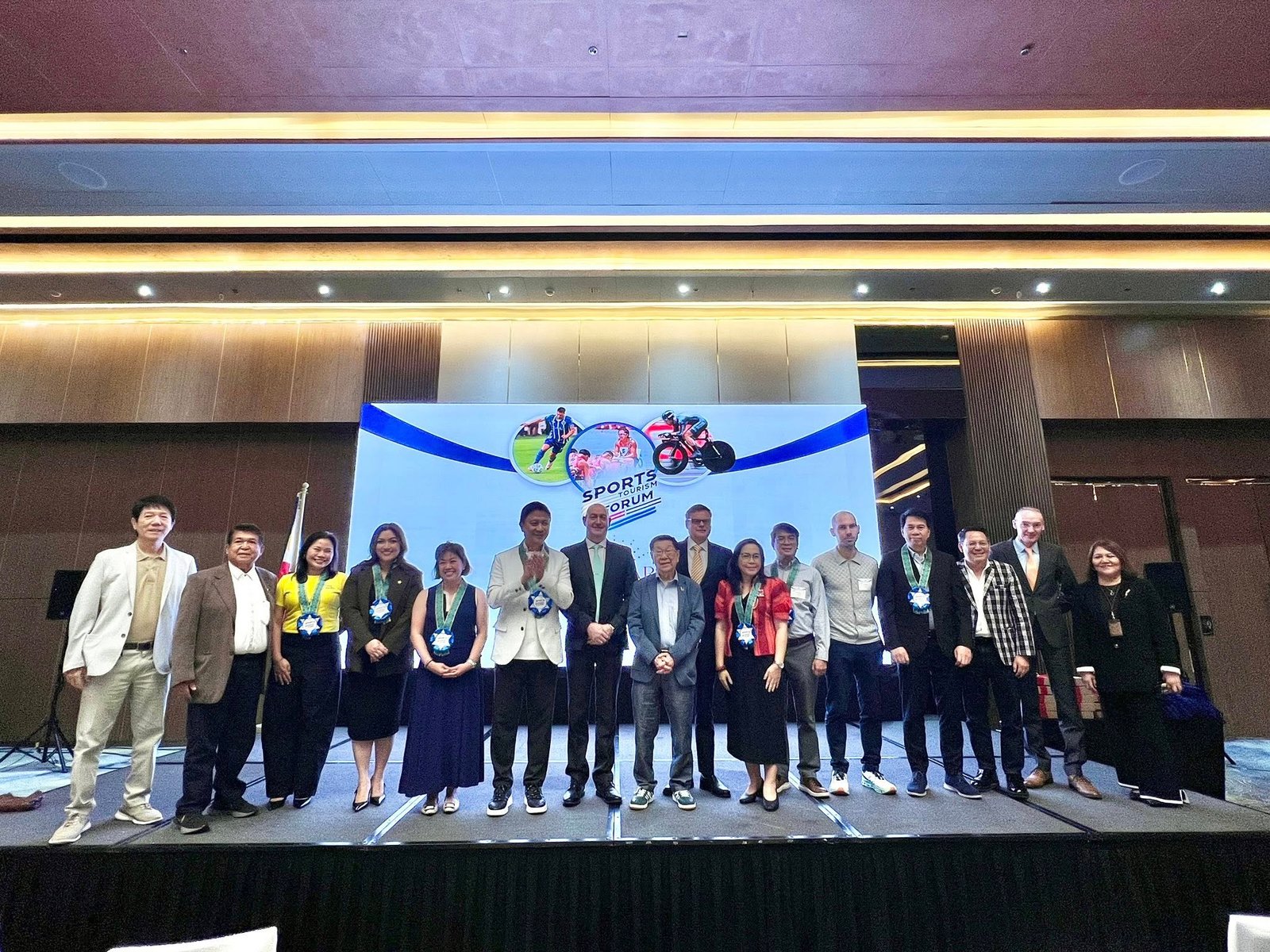
Attending the recent Sports Tourism Forum in Cebu City offered a clear signal that the Philippines is becoming increasingly serious about sports tourism as a national growth strategy.
It is not often that representatives from sports federations, tourism agencies, hotels, grassroots communities and event organizers gather in one room and agree on a common message: sports tourism is no longer a niche segment — it is a serious economic opportunity.
The forum, held at NUSTAR Resort, brought together leaders from across the sports and tourism ecosystem to discuss how cities can prepare themselves to become premier sports destinations.
What emerged from the discussions was a growing recognition that successful sports tourism requires far more than hosting individual events. It demands coordinated collaboration between government, tourism authorities, event organizers and the hospitality sector to build a sustainable sports tourism ecosystem.
Global Momentum Behind Sports Tourism
Opening the forum, Charles Lim, President and CEO, Sports Turismo Alliance Inc. highlighted the growing global demand for sport-driven travel.
According to industry projections shared during the session, 2026 is shaping up to be a blockbuster year for sports travel, with one in four consumers planning a sport-driven trip within the next 12 months.
This trend reflects a broader shift in tourism behaviour. Travellers are increasingly seeking experiences tied to participation, community and shared passion—making sporting events powerful catalysts for destination travel.
National Efforts to Position the Philippines
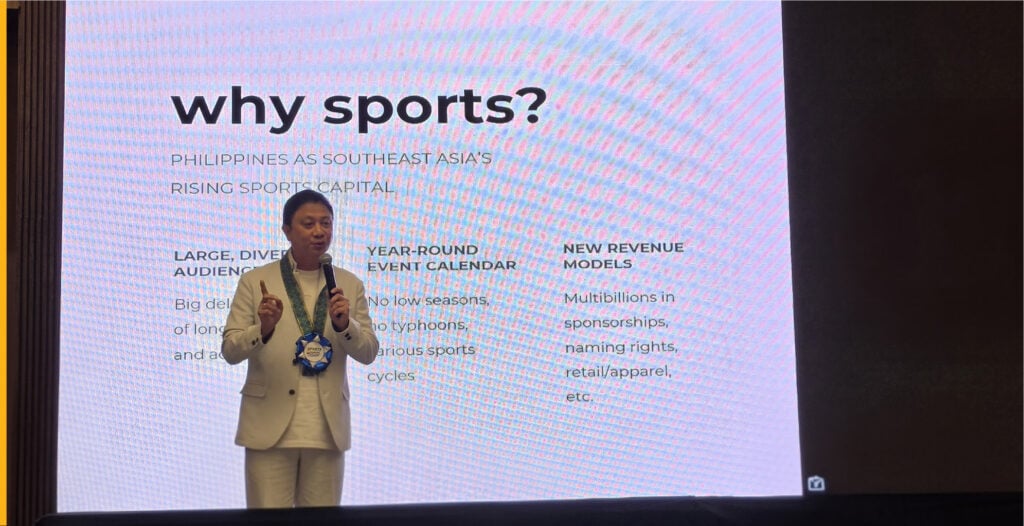
A keynote address by Patrick Gregorio, Chairman of the Philippine Sports Commission, outlined the country’s ambition to position the Philippines as Southeast Asia’s rising sports capital.
He highlighted several reasons why sports tourism presents a compelling opportunity for the country:
- a large and diverse audience base for sports participation
- the ability to host events year-round across different regions
- the emergence of new revenue models around sports events and experiences
To support this ambition, the government has established a National Sports Tourism Inter-Agency Committee, aimed at harmonizing and coordinating initiatives between different government bodies involved in tourism, sports and economic development.
This coordinated approach is intended to strengthen the country’s ability to attract and host major sporting events.
Recent initiatives have already demonstrated the potential impact. The revival of the Tour of Luzon, an eight-day cycling race across the country, generated an estimated 103 million viewer impressions, illustrating the scale of global visibility that sports events can create.
Cebu Emerging as a Sports Tourism Destination
The forum also highlighted how regional destinations are leveraging their natural assets to attract international sporting events.
For example, the upcoming Beach Games Cebu, taking place from 20 to 28 March, will transform Cebu’s world-renowned beaches into an international sporting stage, with participants expected from 45 countries.
Such events demonstrate how destinations can combine sport and tourism to create unique visitor experiences.
As Princess Galura, President and Managing Director of Sunrise Events Inc., noted during the forum:
“Sports tourism boosts the economy of the host venue by bringing in new money.”
Endurance events such as triathlons and marathons often attract participants who travel with family members and extend their stay, benefiting hotels, restaurants and local businesses.

When Sports Become Tourism
Another perspective was shared by Dr. Gelena Assis-Dimpas, Regional Director at the Department of Tourism.
She emphasized that the transition from sports events to sports tourism occurs when competitions evolve into destination experiences.
“When sports become tourism is when it transcends competition and attracts visitors,”
This concept reflects the broader shift in how destinations view sporting events—not merely as competitions, but as catalysts for travel and cultural exchange.
Building the Sports Tourism Ecosystem
One key takeaway from the forum discussions was that successful sports destinations are built on collaboration.
Sports tourism sits at the intersection of multiple industries: sports federations, tourism agencies, hotels, event organizers, sponsors and local communities. When these sectors align around a shared strategy, the economic impact can be significant.
Equally important is the infrastructure that supports large-scale sporting events. From transportation and accommodation to digital registration systems and event management technologies, modern sports events rely on a sophisticated operational ecosystem.
As more destinations recognize the potential of sports tourism, investments in both physical and digital infrastructure are expected to grow.
A Promising Path Forward
The discussions in Cebu suggest that the Philippines already possesses many of the ingredients required to succeed in sports tourism: world-class natural destinations, a passionate sports culture, and increasing collaboration between government and private sector stakeholders.
With coordinated national strategies and continued investment in event infrastructure, the country is well positioned to strengthen its presence on the global sports tourism map.
As global demand for sport-driven travel continues to grow, destinations that can combine sporting experiences with compelling tourism offerings may well emerge as the next leaders in this dynamic industry.
https://about.checkpointspot.asia/philippines-positions-itself-as-southeast-asias-next-sports-tourism-powerhouse/
